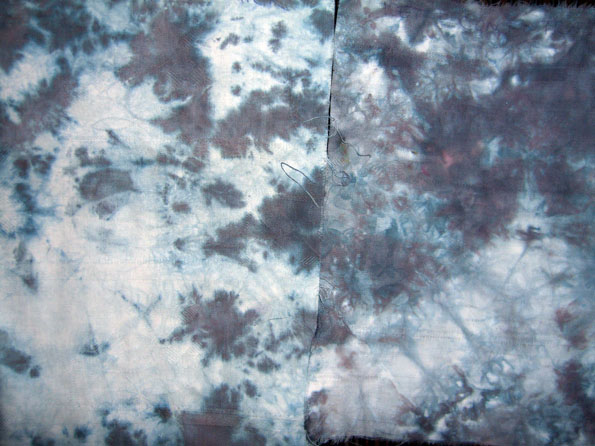
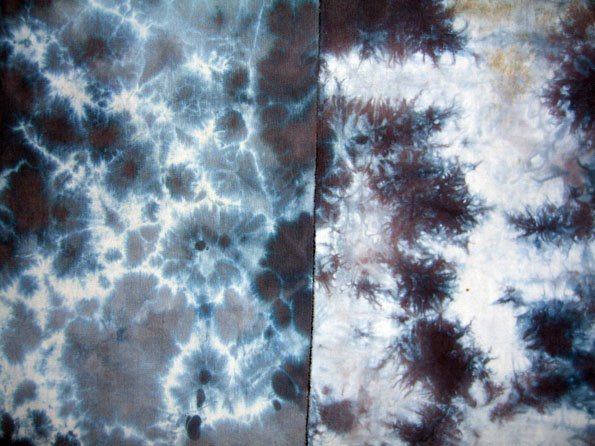
What would happen if the soda ash soaked pieces went in dry rather than wet? I prepared both kinds, then scrunkled them into small containers, and added dye.
Wet fabric. Concentrate plus water on the left, just concentrate on the right. It comes out rather blue and diffuse.
 Dry fabric. Concentrate on the left, concentrate plus water on the right. (The brown is is stain that was already in the fabric.) Stronger colours, better definition.
 And here's what happens when you sprinkle the powder on the fabric -- wet at left, dry at right. Poured a bit of water onto the dry fabric, of course - a couple of tablespoons for about a square foot of fabric.
But I don't know what happens when you dye "properly" -- with the dye diluted in a big bucket. Trying that now. I started out wanting some grey cloudy stuff, might actually get it sometime somehow?




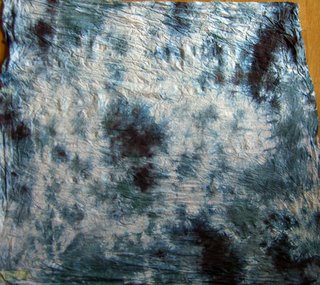 The dye is Procion MX deep black 609. That powder, used for container dyeing, produces a range of blues, purply-browns, and olive greens. Magic!
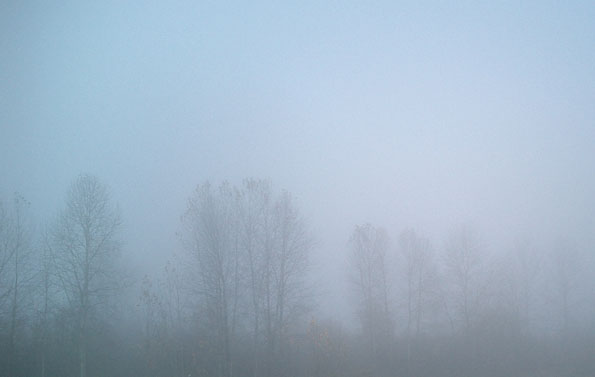
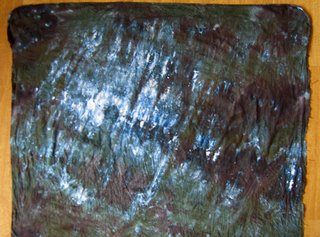 A closeup of the fabric when dry. This'll fit in with those photos of fog in Pitt Meadows that have been intriguing me since experiencing it in November.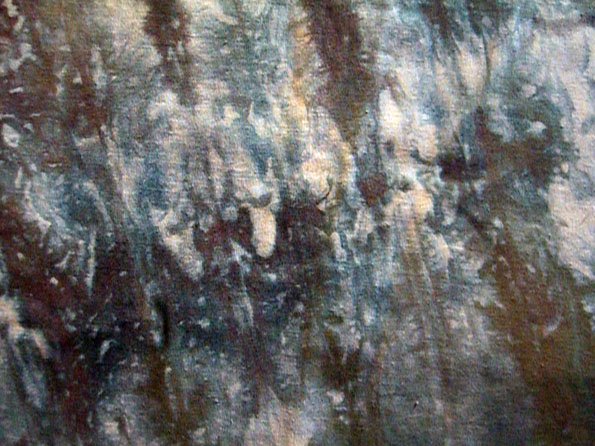



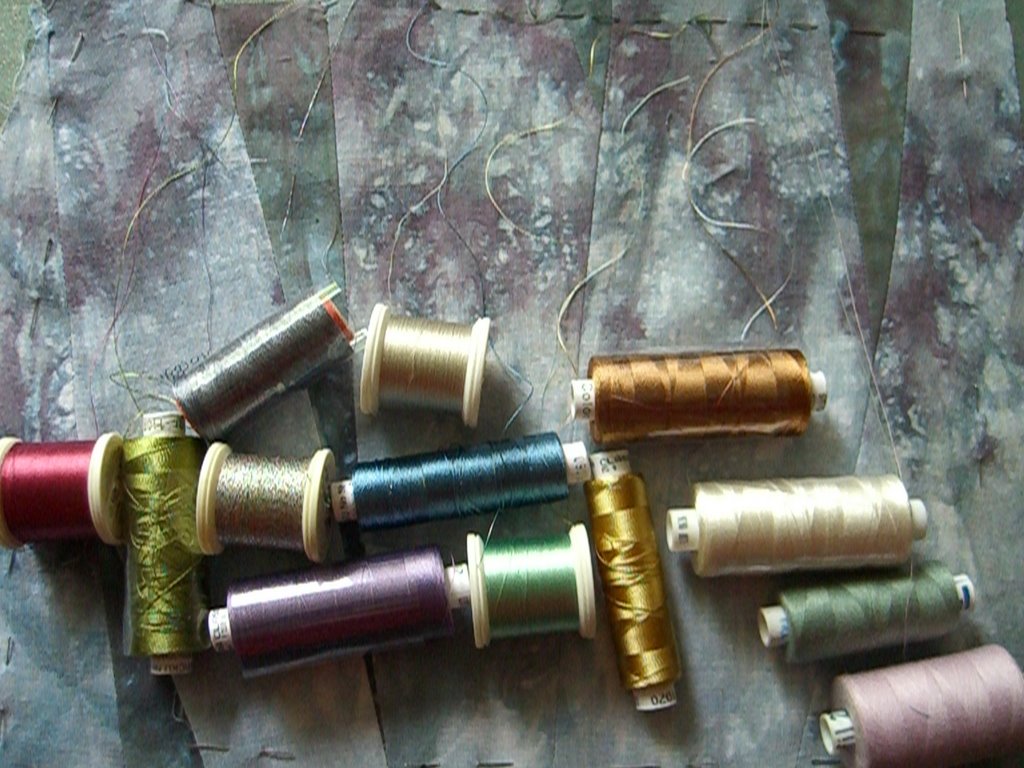
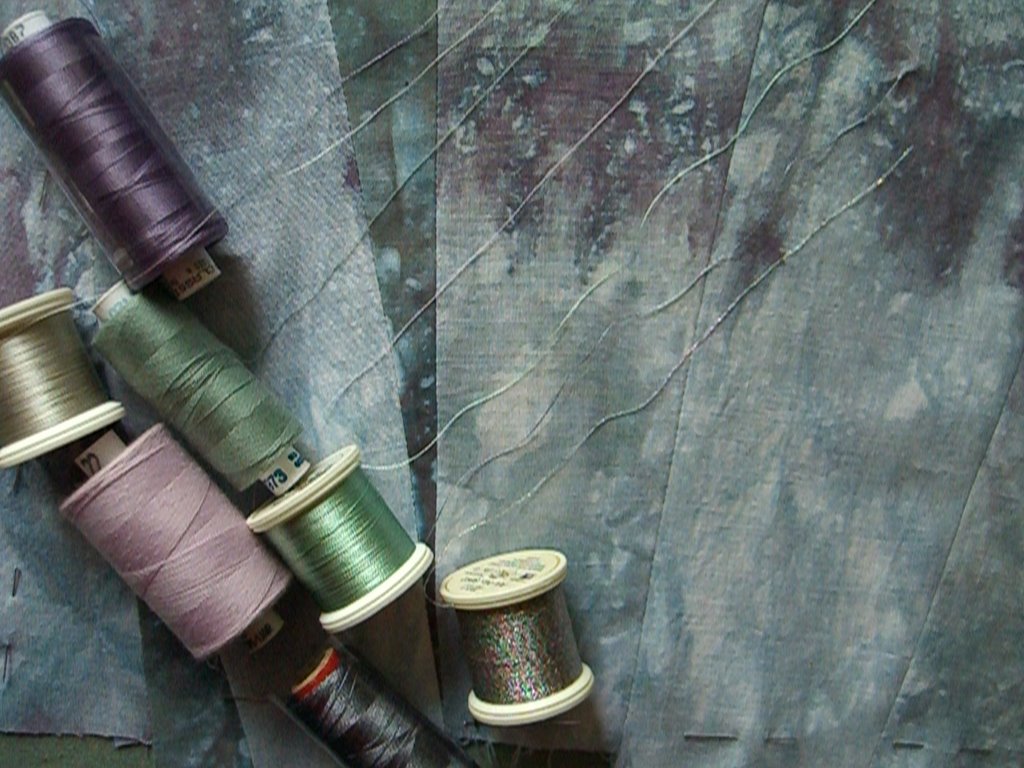
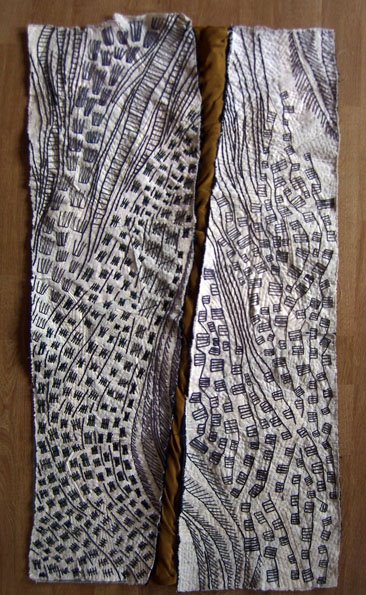
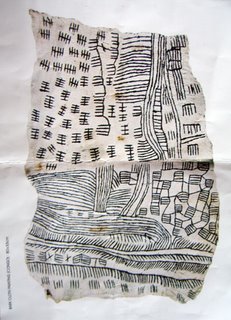 The basis for the two panels is - a couple of moth-eaten trouser legs, made of a wool so good that strands from unravelled fabric can be (and were) used for stitching. Other threads for stitching are dark green twisty rayon, navy blue perle, variegated dark purple silk -- colours called Sorcery and Mole! -- and stranded black cotton. Anything I had on hand that would contrast with the pale background - yet would give a bit of interest on closer inspection.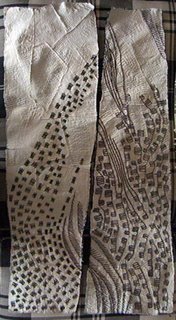


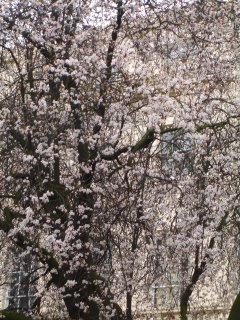 The framework was a branch-like structure (organza, and a liberty print, bias-cut for flexibility, held on with rather carefree stitching) -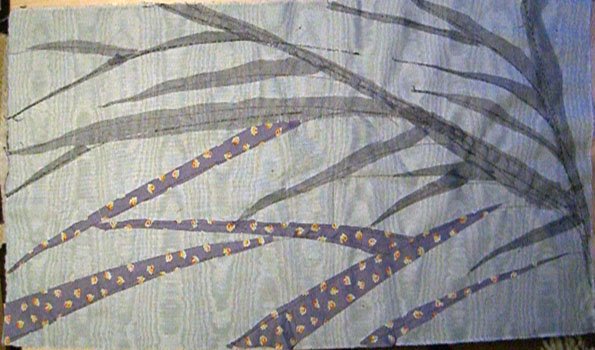
 More and more (layers of changing colours, held by runs of rapid machining, various threads) --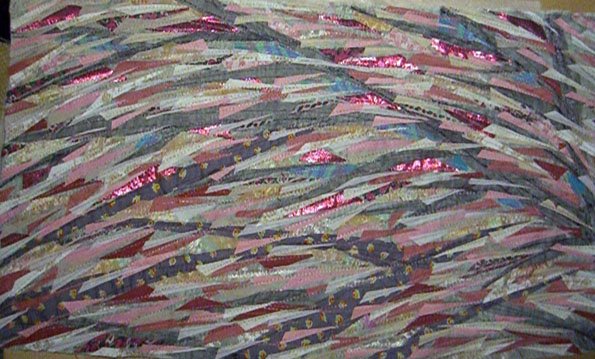
 A close-up --
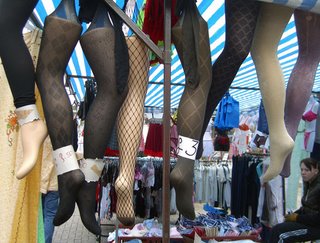 And shirts ready to fly off somewhere --

 Several fabric shops along the way - mostly nasty stuff, but if you need organza it's here --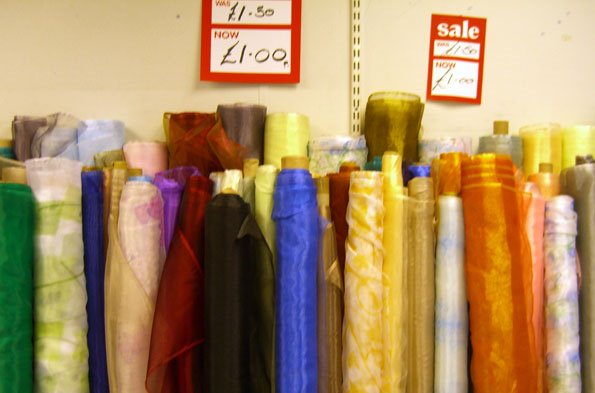
 And, bizzarely, here's the crushed velvet I've been looking for -- is it saving someone's place?
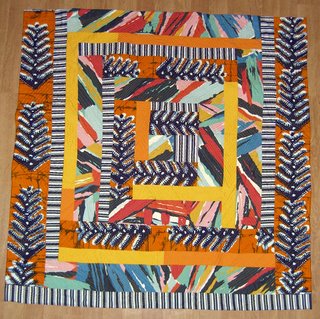

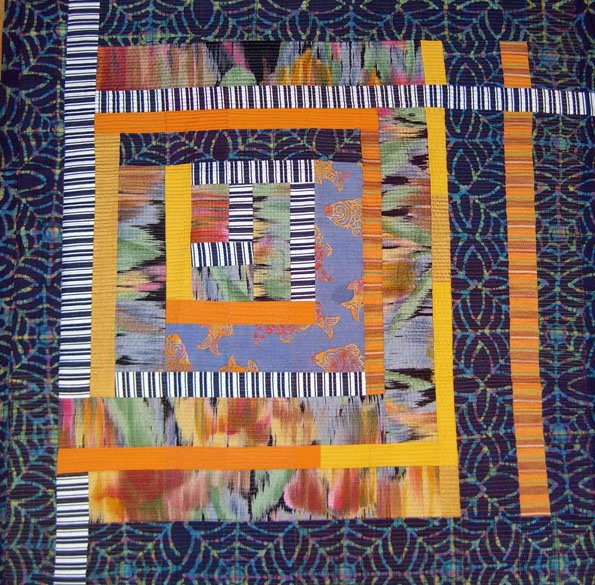
 #5 - still unnamed, still unquilted --
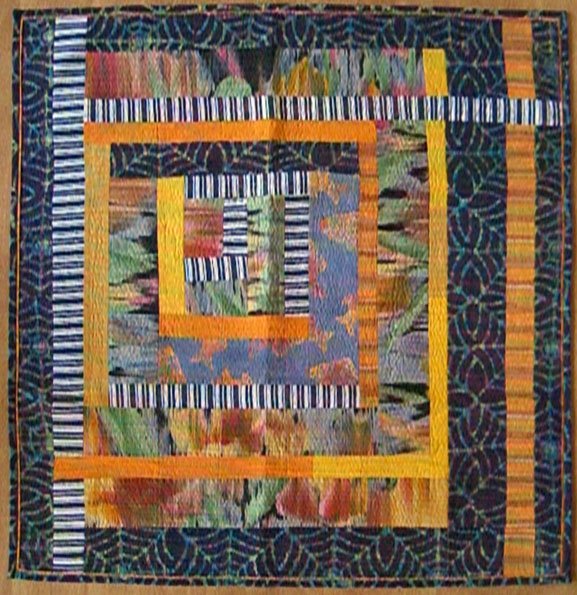
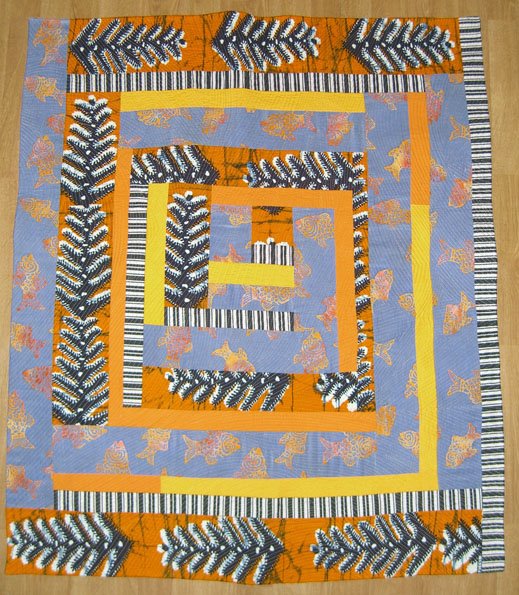
 #6 - quilted in horizontal rows in blocks of various colours, but not yet cut to size (too much spiderweb, right?). During the long stretches of contemplative quilting time, no name emerged --