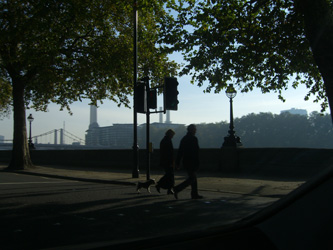
Turn around and to the south you see the plain of the Thames Valley, with a distant view of downtown London -- the new business district of Canary Wharf.
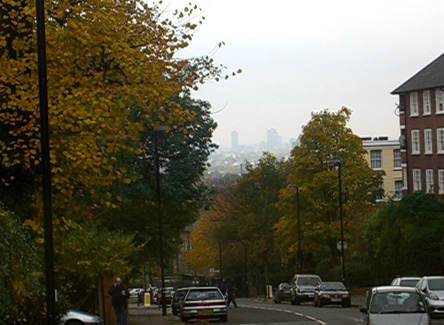 Turn around and to the south you see the plain of the Thames Valley, with a distant view of downtown London -- the new business district of Canary Wharf.
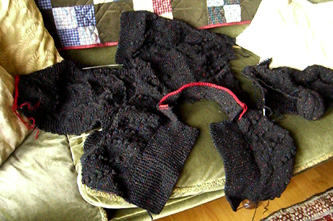 Only two tiny moth holes, and only the top of one sleeve and the bottom ribbing to do. But is anyone wearing bobbles these days, and what on earth was going to happen about buttons? This is a blatant rip-off of something seen somewhere on Oxford Street last century.
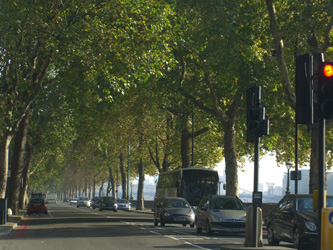 Long shadows and Battersea Power Station in the distance.
 We saw the Turner Prize exhibit and like most of the visiting public found much of it ugly and baffling ("call this stuff art?"). At the end, a room with catalogues of the artists' previous exhibits, and places all around the walls where you can vent your frustration in writing.
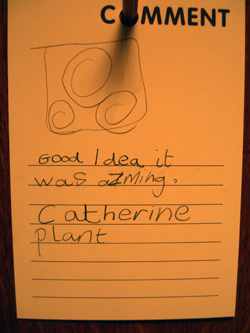 This comment refers to Mark Titchener's "Ergo Ergot" - revolving disks that give an amazing 3-D illusion. The video components get lost in the fascination with the optical illusions. It "uses light flicker and sound flicker to change the frequency your brain is working at" - the information in it, Titchner says, came from working with a civil rights group and is about threats to civil liberty. Knowing that makes the piece make sense - but it also makes it less "fun" all of a sudden.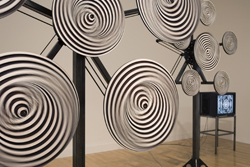
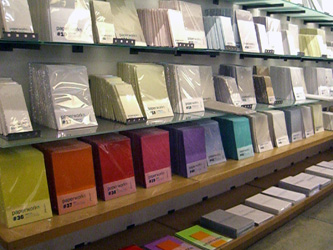 Notebook heaven ---
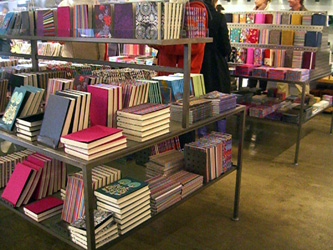 Filofax heaven ---
 Paperchase, Tottenham Court Road -- perfect for my lunchtime excursions. (But don't bother visiting their website; it's impossibly slow to load.)
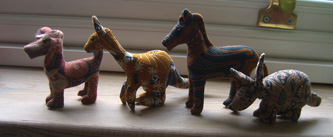 Selling at £2 each or £3 for two. Indonesian fabric, firmly sewn and stuffed with sand. Someone has done so much work, obviously for so little money. Charming creatures - but an ethical dilemma.
 I've been using it instead of batting/wadding, doing the quilting on the domette and top layers, then sewing the blocks together and backing the whole thing.
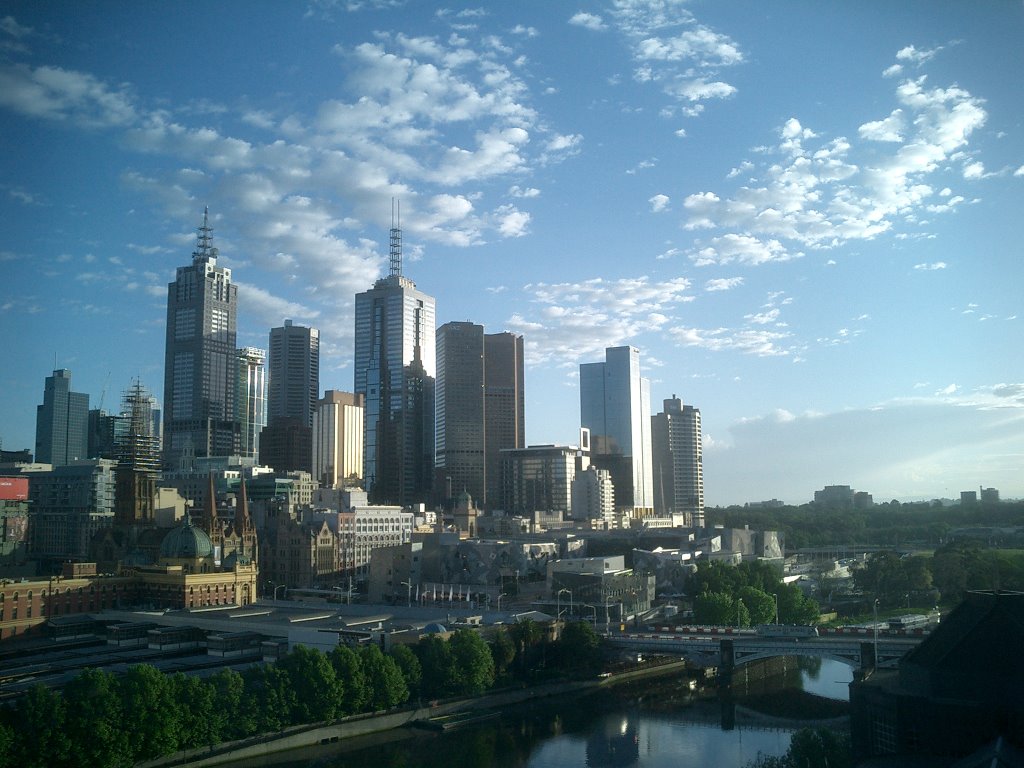
 Here's the view from the hotel, the Yarra river flowing through town, and beautiful sunny spring days --
 But not all days were sunny --
 Here's that lovely river again, with the rain clouds clearing and the sunset starting.
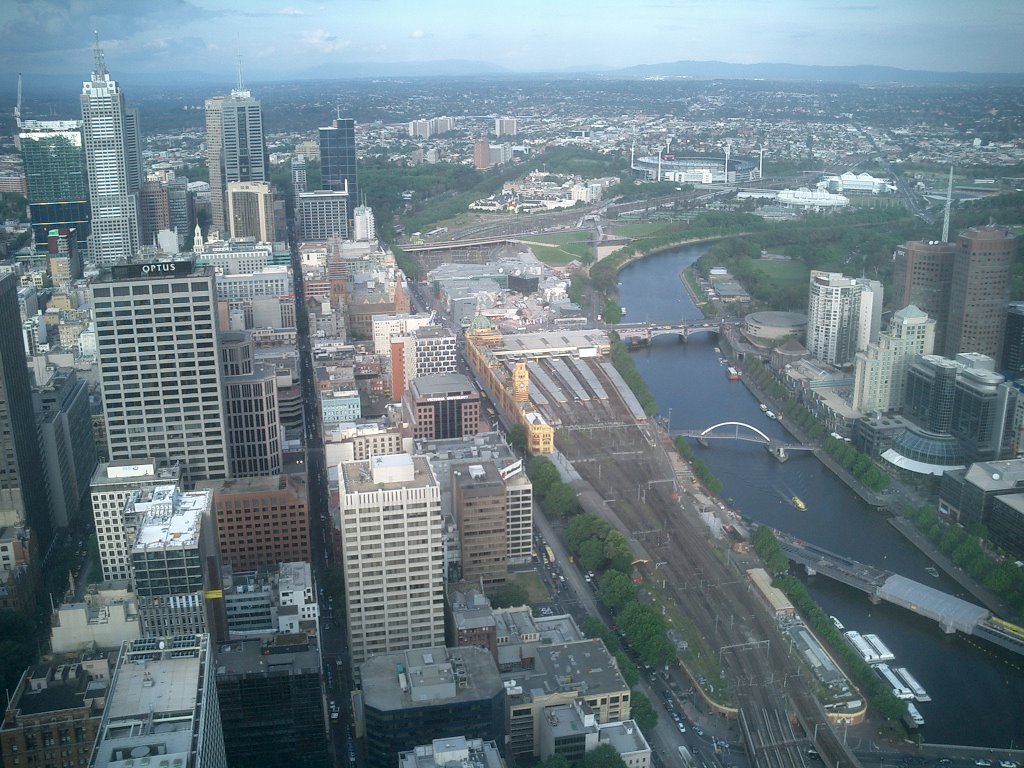
 And again, from the Rialto building, 55 floors up (is that the Dandenongs in the distance?) -
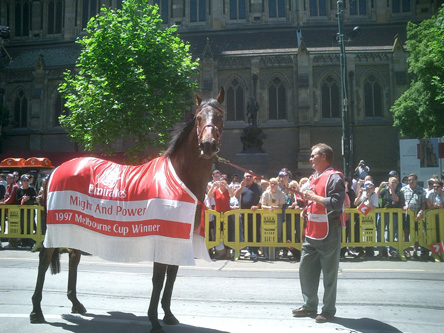
 A word or two about sport. It was Melbourne Cup time, with a parade and a chance to see previous winners close up - and there was also the delight of seeing race-goers in their finery as they had breakfast in town before going out to the racecourse.
 Another sport is the race up the staircase of the Rialto building - part of an international circuit of races up the staircases of tall buildings. I think of that every time I walk up the four flights to the office.
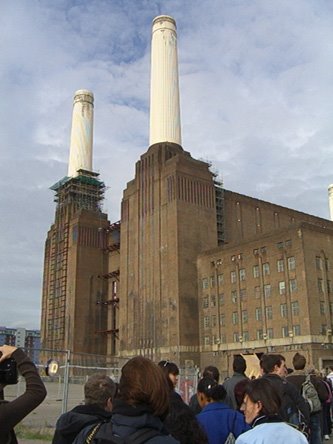 It was built in the early 1930s and had one turbine hall and a big room with the boilers where the coal was burnt to make the electricity. Then in the early 50s the bit on the right was added, such was the need for power. By the 80s coal was seen as a dirty, expensive fuel (and wasn't there some bother with the stroppy miners in the 70s?) so the power station was closed. It was sold for redevelopment and the turbines were sold for scrap and the roof of the central hall taken out, and then there was a change of plan -- so it's just been sitting there, an empty shell.
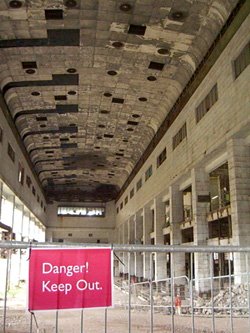 This was just about the only bit of machinery left, in the accessible areas anyway.
 Every exhibition needs a shop. Here, goods were displayed in the FedEx and DHL cartons they'd been shipped in from China. (Translation: I buy, therefore I am.)
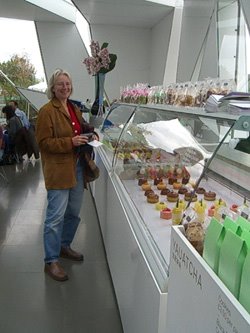
 And there has to be a cafe - this one put up by Yauatcha with gorgeous cakes. Lesley and I looked longingly but resisted.
 If you want to see actual turbines, go to Wapping - the old power station now has the inevitable restaurant, but also art exhibitions and turbines left in place.
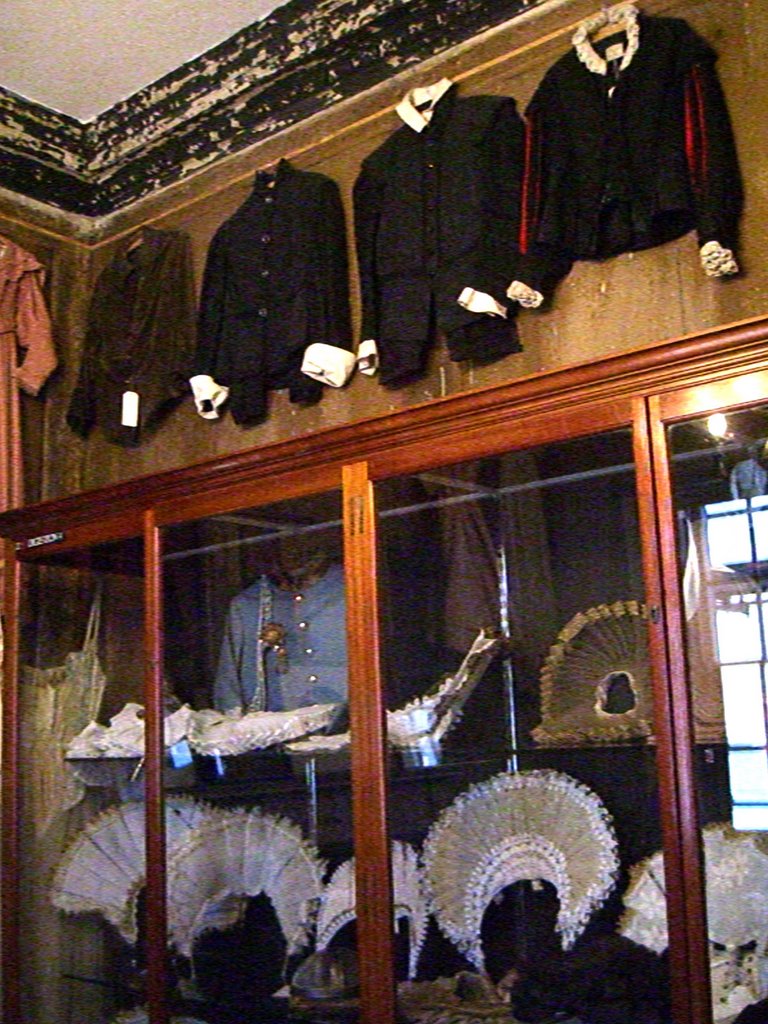 The old Study now has cases of brassware - and costumes.
  At the rear, fairground and bar fittings, and this suitcase which was used as a comedy prop and now has a price tag of £375.
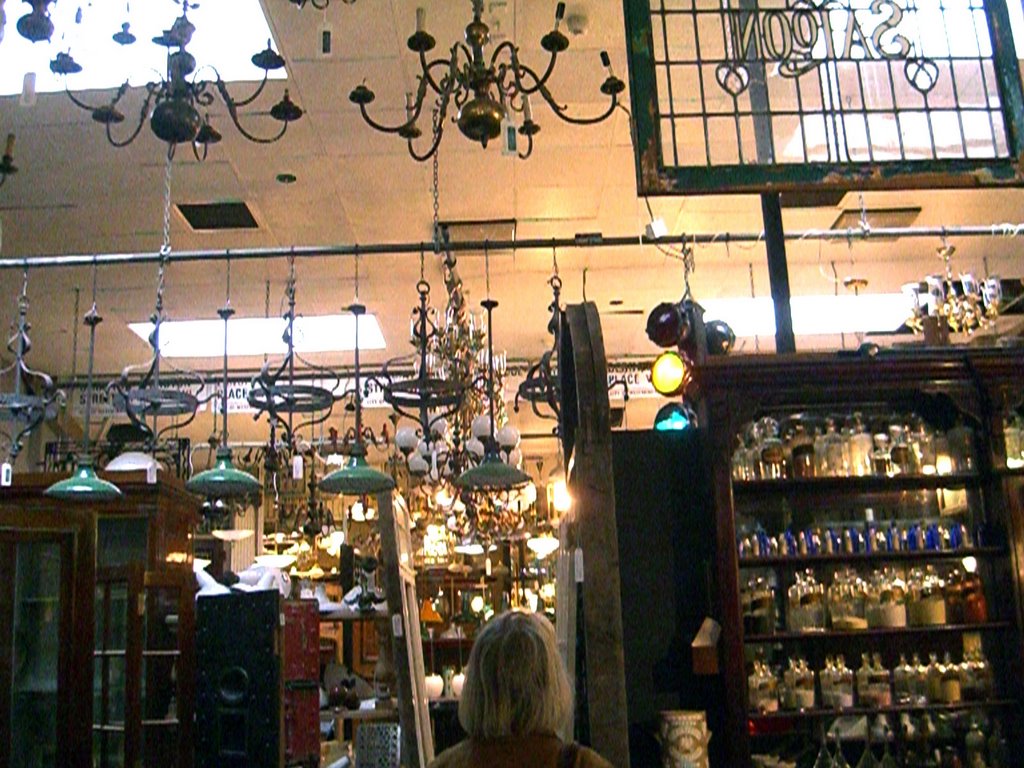 To the right of the glass doors are cell door from the Clerkenwell House of Correction, dated to 1614.
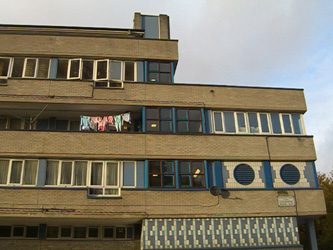
 You can just about see some of that encroaching glass&steel construction through the shuttered windows.
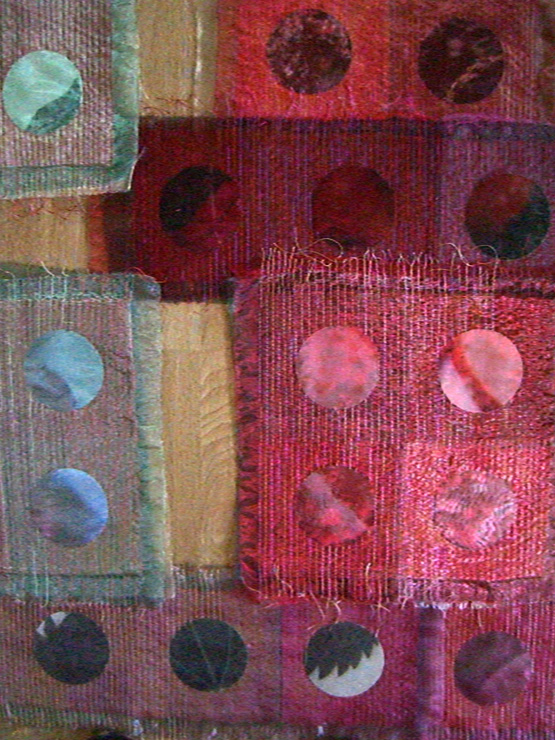
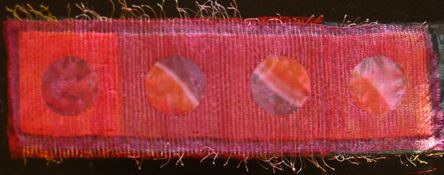
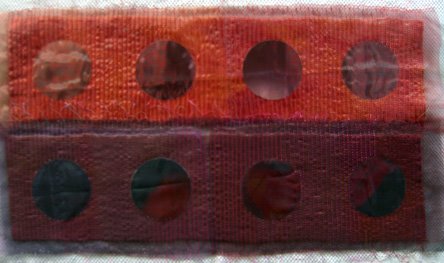 After a couple of computer-free days, strips of moons are emerging - an alchemy of dyed domette, polyester sheers, and a rainbow range of threads.
 The moons come from magazines. I work from the back to the front (more magical).
 Look what happens as you turn the pages.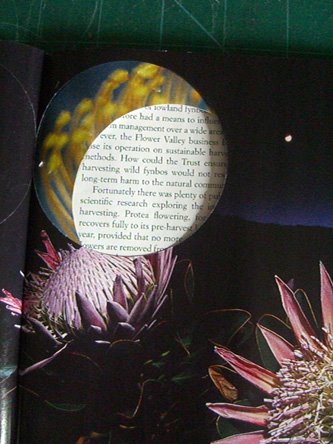
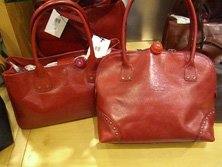 But which one... red is almost irresistible
 and black is so practical
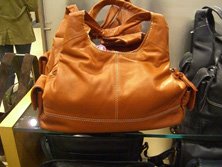 orange so unexpected
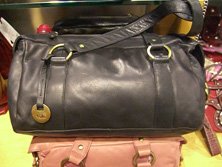 and grey could be useful too... no, not the grey, even though it's one of this season's colours.
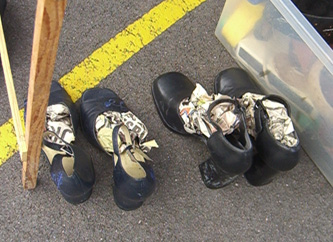
 So, no leather bag at the moment -- resisting the temptation liberates £100, for ... shoes? fabric? books?